Key facts
- Eighteen players have held the undisputed world chess title, from Wilhelm Steinitz, who beat Johannes Zukertort in 1886, to Gukesh D of India, who beat Ding Liren 7.5-6.5 in Singapore in 2024 (FIDE).
- Emanuel Lasker held the title longest: 27 years, from 1894 to 1921 (FIDE World Chess Museum).
- From 1993 to 2006 the title was split between the Kasparov-Kramnik line and FIDE's own champions, until Kramnik beat Topalov in Elista in October 2006 (ChessBase).
- Seventeen women have held the Women's World Championship since Vera Menchik in 1927; Ju Wenjun won her fifth title in 2025, 6.5-2.5 against Tan Zhongyi (Chess.com).
- Gukesh defends the title against Javokhir Sindarov in Geneva from 24 November 2026, over a maximum of 14 classical games; the first player to 7.5 points wins (FIDE).
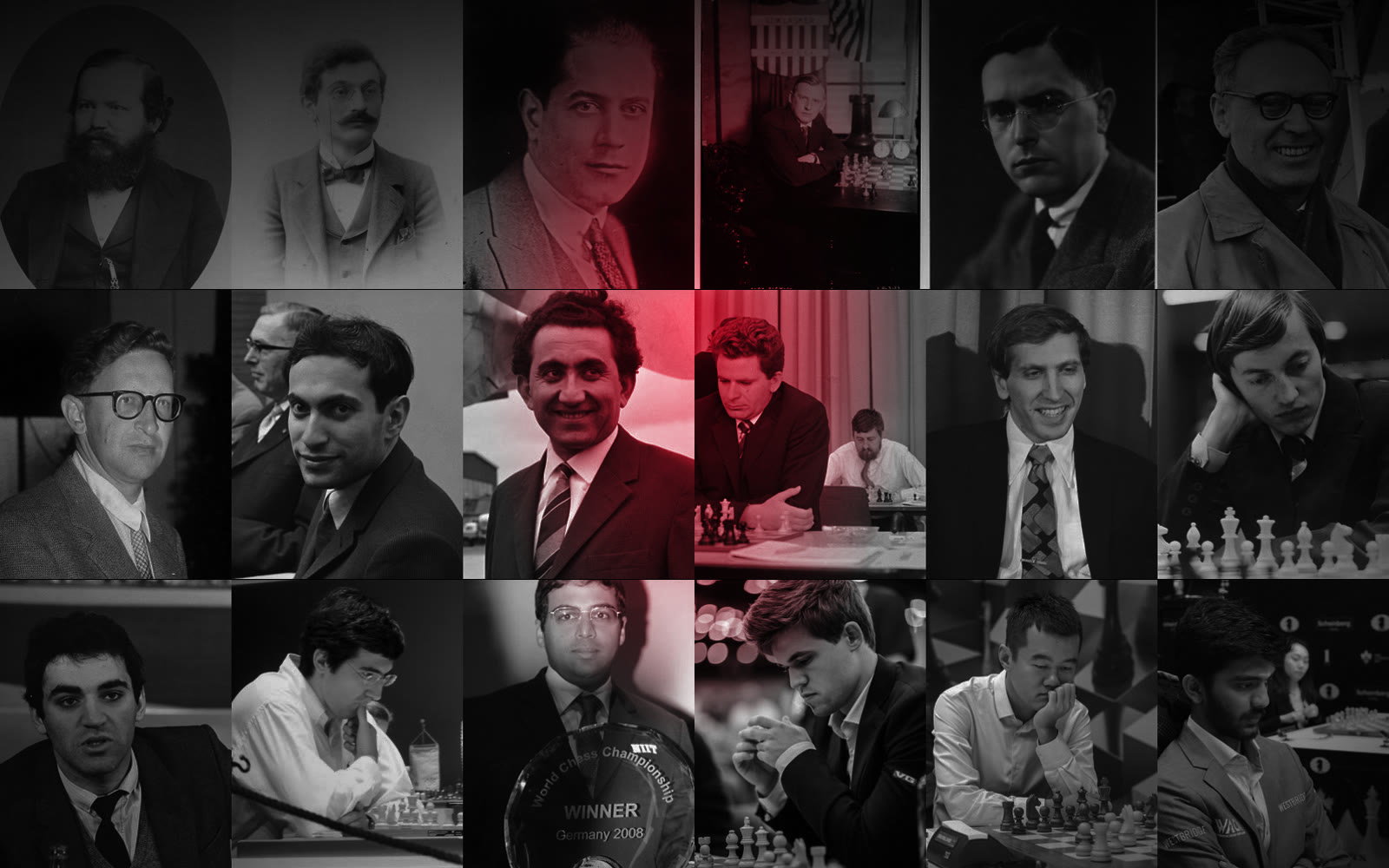
There have been 18 world chess champions. The undisputed title has passed from Wilhelm Steinitz, who beat Johannes Zukertort in 1886, to Gukesh D of India, who beat Ding Liren 7.5-6.5 in Singapore in 2024 and became, at 18, the youngest undisputed champion in history (FIDE). On 24 November 2026 Gukesh starts his first defence, against Javokhir Sindarov of Uzbekistan in Geneva. This guide gives the full list in one table, how each champion took the title, the FIDE champions of the split years kept apart, the women's champions, and where the 2026 match fits.
The complete list of world chess champions
The table follows the numbering of the FIDE World Chess Museum and the reigns given by Chess.com. A champion who lost the title and won it back keeps one number, so Alekhine and Botvinnik appear once with several reigns. The last column names the player or event that gave each champion the title the first time.
| No. | Champion | Country | Reign | Won the title against |
|---|---|---|---|---|
| 1 | Wilhelm Steinitz | Austria, United States | 1886-1894 | Johannes Zukertort, United States 1886 |
| 2 | Emanuel Lasker | Germany | 1894-1921 | Wilhelm Steinitz, North America 1894 |
| 3 | José Raúl Capablanca | Cuba | 1921-1927 | Emanuel Lasker, Havana 1921 |
| 4 | Alexander Alekhine | Russia, France | 1927-1935, 1937-1946 | José Raúl Capablanca, Buenos Aires 1927 |
| 5 | Max Euwe | Netherlands | 1935-1937 | Alexander Alekhine, Netherlands 1935 |
| 6 | Mikhail Botvinnik | USSR | 1948-1957, 1958-1960, 1961-1963 | Five-player match-tournament, The Hague and Moscow 1948 |
| 7 | Vasily Smyslov | USSR | 1957-1958 | Mikhail Botvinnik, Moscow 1957 |
| 8 | Mikhail Tal | USSR | 1960-1961 | Mikhail Botvinnik, Moscow 1960 |
| 9 | Tigran Petrosian | USSR | 1963-1969 | Mikhail Botvinnik, 1963 |
| 10 | Boris Spassky | USSR | 1969-1972 | Tigran Petrosian, Moscow 1969 |
| 11 | Bobby Fischer | United States | 1972-1975 | Boris Spassky, Reykjavik 1972 |
| 12 | Anatoly Karpov | USSR | 1975-1985 | No match: Fischer refused to defend, 1975 |
| 13 | Garry Kasparov | USSR, Russia | 1985-2000 | Anatoly Karpov, 1985 |
| 14 | Vladimir Kramnik | Russia | 2000-2007 | Garry Kasparov, London 2000 |
| 15 | Viswanathan Anand | India | 2007-2013 | Eight-player tournament, Mexico City 2007 |
| 16 | Magnus Carlsen | Norway | 2013-2023 | Viswanathan Anand, Chennai 2013 |
| 17 | Ding Liren | China | 2023-2024 | Ian Nepomniachtchi, Astana 2023 |
| 18 | Gukesh D | India | 2024- | Ding Liren, Singapore 2024 |
From 1993 to 2006 two men called themselves world champion at the same time. The table follows the line that ran from Kasparov to Kramnik and absorbed the FIDE title in 2006; the FIDE champions of those years have their own section below.
How the first world chess champions won the title, 1886 to 1946
For its first sixty years the title belonged to the man who held it. He chose his challenger and agreed the terms himself. Steinitz, born in Prague, represented Austria (FIDE World Chess Museum) before settling in the United States, where his 1886 match with Zukertort moved between New York, St. Louis and New Orleans (World Chess Hall of Fame). He won it by ten games to five (Chess.com).
Lasker beat the 58-year-old Steinitz in 1894, in a 19-game match across North America that he won 10:5 on decisive games (ChessBase). He then kept the title for 27 years, the longest reign in the history of the game (FIDE World Chess Museum).
Capablanca ended it in Havana in 1921 without losing a game: four wins and ten draws. Six years later Alekhine beat Capablanca in Buenos Aires over 34 games, with six wins, three losses and 25 draws. Max Euwe took the title from Alekhine in the Netherlands in 1935, 15.5-14.5, and lost the rematch in 1937 by four wins to ten, with eleven draws. Alekhine stayed unbeaten until his death in 1946 and died as champion (FIDE).
FIDE takes charge: Botvinnik to Fischer, 1948 to 1975
With no living champion to beat, FIDE, the International Chess Federation, organised the title itself. Mikhail Botvinnik won the five-player match-tournament of 1948, played in The Hague and Moscow, and the world championship has run through FIDE's qualifying cycle ever since, apart from the split years (FIDE).
Botvinnik lost the title twice and won it back twice. Vasily Smyslov beat him 12.5-9.5 in Moscow in 1957, and Botvinnik took the rematch 12.5-10.5 a year later. Mikhail Tal beat him 12.5-8.5 in 1960; Botvinnik won the 1961 rematch 13-8. Tigran Petrosian finally retired him in 1963, with five wins, two losses and 15 draws. Boris Spassky beat Petrosian 12.5-10.5 in Moscow in 1969 (FIDE).
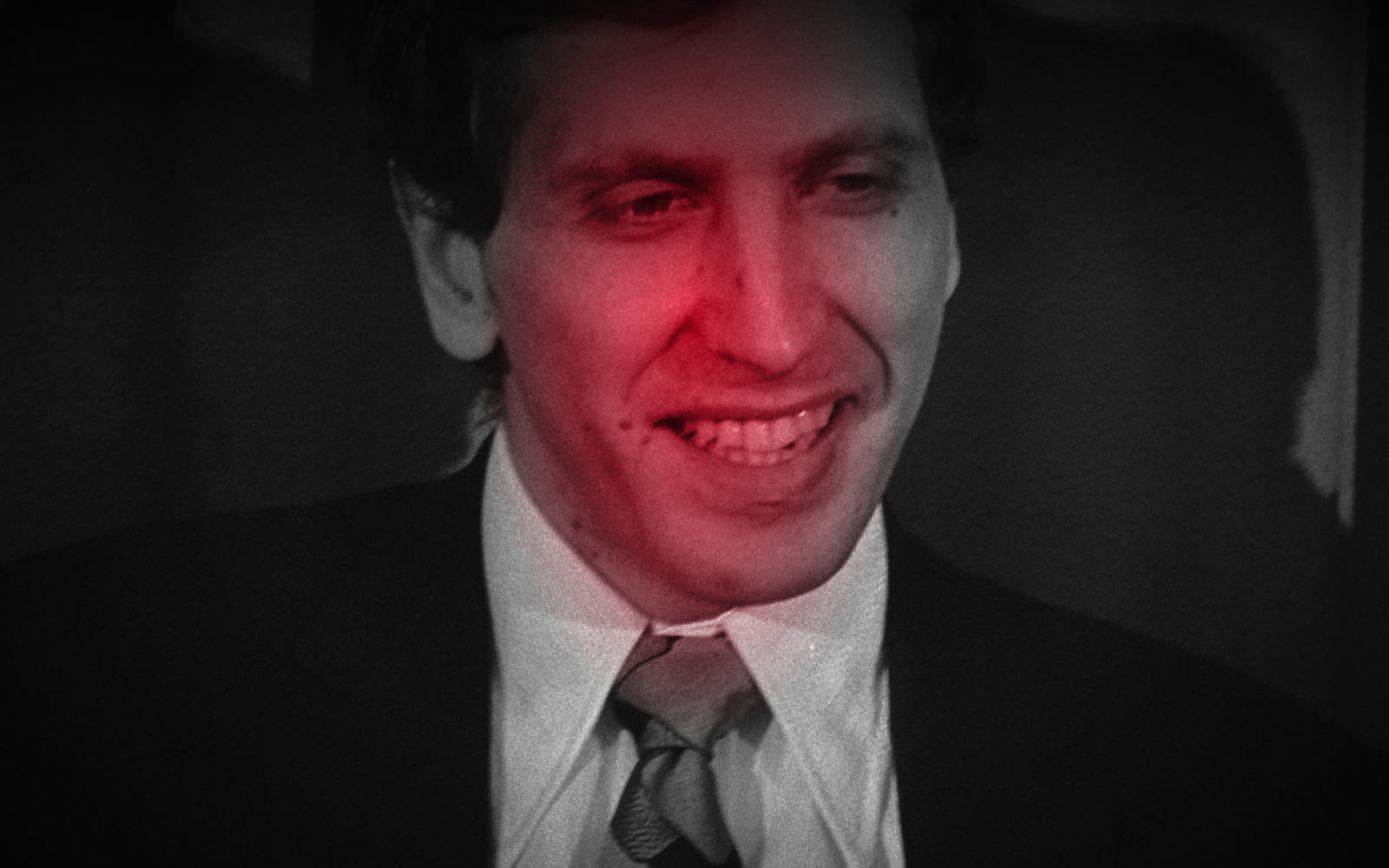
Bobby Fischer beat Spassky in Reykjavik in 1972, 12.5-8.5, and became the 11th champion (FIDE World Chess Museum). He never played for the title again. For 1975 he demanded a match to ten wins, FIDE rejected his terms, and he gave up the title (Chess.com). Anatoly Karpov became the 12th world champion without playing a game (World Chess Hall of Fame).
Karpov, Kasparov and the 1993 split
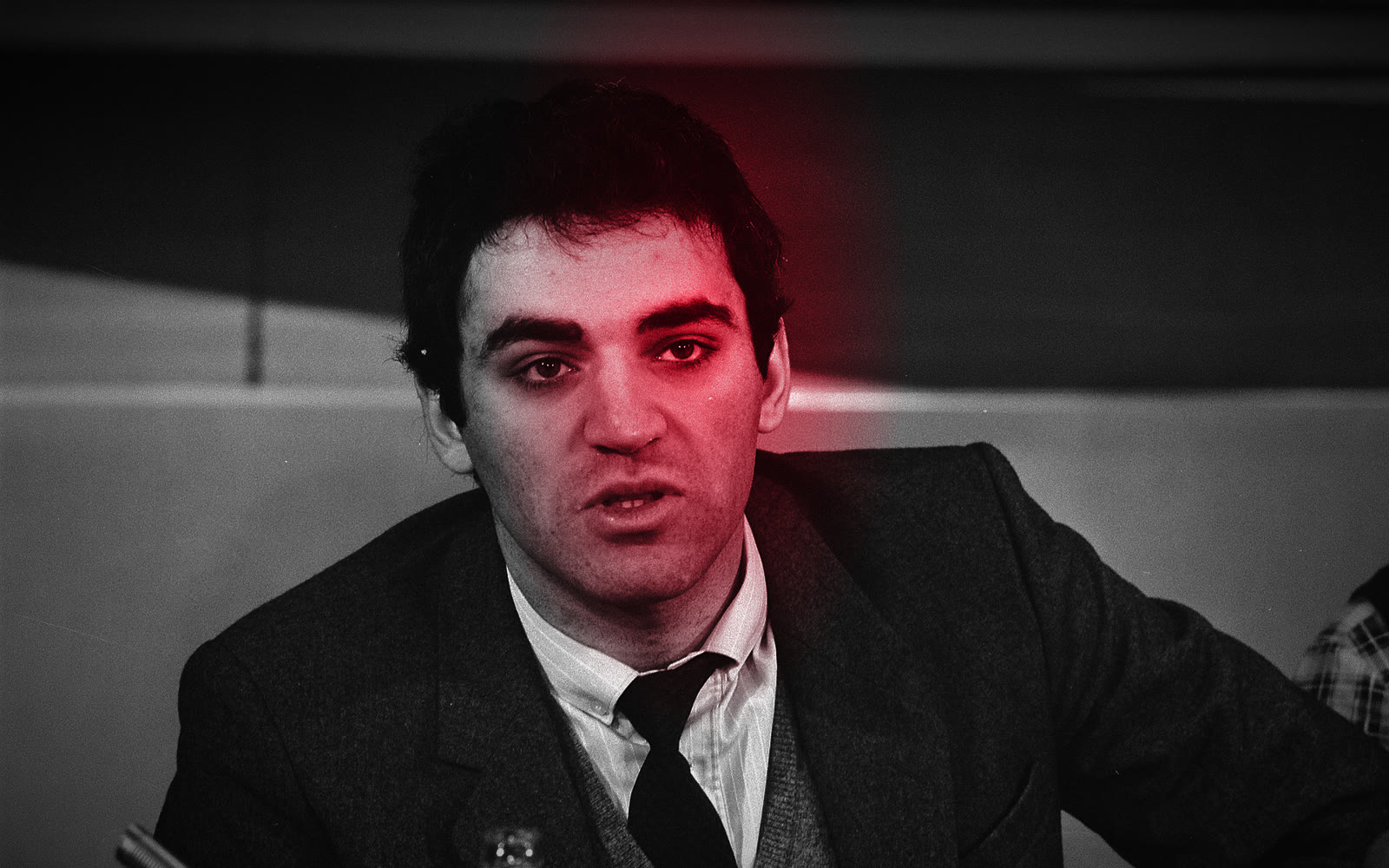
Karpov defended the title twice against Viktor Korchnoi, in Baguio in 1978 and Merano in 1981 (FIDE World Chess Museum). Then came Garry Kasparov. Their first match, begun in Moscow in 1984 as first to six wins, became the longest in history and was stopped without a result. A new match in 1985 went to Kasparov, 13-11, and made him the youngest champion to that date. He kept the title in three more matches against Karpov: 12.5-11.5 in 1986, 12-12 in 1987, when a drawn match left the champion in place, and 12.5-11.5 in 1990 (FIDE).
In 1993 Kasparov and his challenger Nigel Short played their match outside FIDE's jurisdiction, and Kasparov won 12.5-7.5 (FIDE World Chess Museum). FIDE kept its own championship going (Chess.com), and the world had two champions for 13 years.
Kasparov's title passed to Vladimir Kramnik in London in 2000. Kramnik won 8.5-6.5 without losing a game, in a match FIDE did not recognise, and in 2004 he kept the title by drawing his match with Peter Leko in Brissago (FIDE World Chess Museum).
FIDE world champions of the split era, 1993 to 2006
FIDE crowned six champions in these years, eight titles in all, most of them at knockout events where players meet in short matches and the loser goes home. They belong in the record, not in the numbered list above:
- Anatoly Karpov, 1993-1999: won FIDE title matches in 1993 and 1996, then the 1998 final in Lausanne against Anand, 3-3 in classical games and 2-0 in the rapid tiebreak, after being seeded straight into the final (ChessBase). He gave up the title in 1999, after FIDE changed the format (World Chess Hall of Fame).
- Alexander Khalifman, Russia, 1999: a 100-player knockout at Caesars Palace in Las Vegas, with Vladimir Akopian beaten in the final (FIDE World Chess Museum).
- Viswanathan Anand, India, 2000: a knockout in New Delhi, with the final against Alexei Shirov in Tehran won 3.5-0.5. In the semi-finals Shirov had beaten Alexander Grischuk 2.5-1.5 (FIDE).
- Ruslan Ponomariov, Ukraine, 2002: a knockout in Moscow, with the final against Vassily Ivanchuk won 4.5-2.5 in January 2002 (FIDE).
- Rustam Kasimdzhanov, Uzbekistan, 2004: a knockout in Tripoli, with the final against Michael Adams won 4.5-3.5 after a tiebreak on 13 July 2004 (ChessBase).
- Veselin Topalov, Bulgaria, 2005: an eight-player double round robin in San Luis, Argentina, won with 10 points from 14, 1.5 ahead of Anand and Peter Svidler (ChessBase).
The split ended in Elista in 2006. Kramnik and Topalov finished 6-6 over twelve games, and Kramnik won the rapid tiebreak on 13 October. ChessBase wrote that after 13 years the chess world had one champion again (ChessBase).
Reunification and the modern world chess champions
Kramnik held the unified title for less than a year, and lost it without a match (Chess.com). The 2007 championship was an eight-player double round robin in Mexico City, and Anand won it undefeated with 9 points from 14 (ChessBase). He then beat Kramnik 6.5-4.5 in Bonn in 2008, Topalov 6.5-5.5 in Sofia in 2010 and Boris Gelfand on a tiebreak in Moscow in 2012 (FIDE World Chess Museum).
Magnus Carlsen won the 2013 Candidates in London and took the title from Anand in Chennai, 6.5-3.5. He defended it four times: against Anand in Sochi in 2014, 6.5-4.5; against Sergey Karjakin in New York in 2016 and Fabiano Caruana in London in 2018, both on tiebreaks; and against Ian Nepomniachtchi in Dubai in 2021, 7.5-3.5 (FIDE World Chess Museum). Against Caruana every classical game ended in a draw (Chess.com).
On 20 July 2022 Carlsen confirmed he would not defend the title in 2023, and FIDE took the decision as final (FIDE). The match went to Nepomniachtchi and to Ding Liren, second at the 2022 Candidates (FIDE World Chess Museum). In Astana the classical games ended 7-7, and Ding won the rapid tiebreak 2.5-1.5 on 30 April 2023 to become the 17th champion and the first from China (Chess.com).
Gukesh lost the first game in Singapore, won the third (FIDE World Chess Museum) and won the 14th and last classical game for 7.5-6.5 (FIDE). He is the second champion from India after Anand. His career and games are in our profile of Gukesh.

Women's world chess champions
The Women's World Championship is a separate title, contested since 1927, and 17 women have held it (Chess.com):
| No. | Champion | Reign |
|---|---|---|
| 1 | Vera Menchik | 1927-1944 |
| 2 | Lyudmila Rudenko | 1950-1953 |
| 3 | Elisaveta Bykova | 1953-1956, 1958-1962 |
| 4 | Olga Rubtsova | 1956-1958 |
| 5 | Nona Gaprindashvili | 1962-1978 |
| 6 | Maia Chiburdanidze | 1978-1991 |
| 7 | Xie Jun | 1991-1996, 1999-2001 |
| 8 | Susan Polgar | 1996-1999 |
| 9 | Zhu Chen | 2001-2004 |
| 10 | Antoaneta Stefanova | 2004-2006 |
| 11 | Xu Yuhua | 2006-2008 |
| 12 | Alexandra Kosteniuk | 2008-2010 |
| 13 | Hou Yifan | 2010-2012, 2013-2015, 2016-2017 |
| 14 | Anna Ushenina | 2012-2013 |
| 15 | Mariya Muzychuk | 2015-2016 |
| 16 | Tan Zhongyi | 2017-2018 |
| 17 | Ju Wenjun | 2018- |
Menchik won the title eight times before her reign ended in 1944, by the same Chess.com count. Gaprindashvili beat Bykova in 1962 and held the title until 1978, when she lost it to another Georgian, Maia Chiburdanidze (World Chess Hall of Fame).
Ju Wenjun won her fifth title in April 2025, beating Tan Zhongyi 6.5-2.5 in a match that began in Shanghai and moved to Chongqing (Chess.com); FIDE called it a new record among Chinese players (FIDE). Her next challenger is Vaishali Rameshbabu, who won the 2026 Women's Candidates outright with 8.5 from 14 (FIDE). That match runs to 12 games, the first to 6.5 points wins, and FIDE still lists its dates and host city as to be announced (FIDE).
Gukesh vs Sindarov, the next chapter
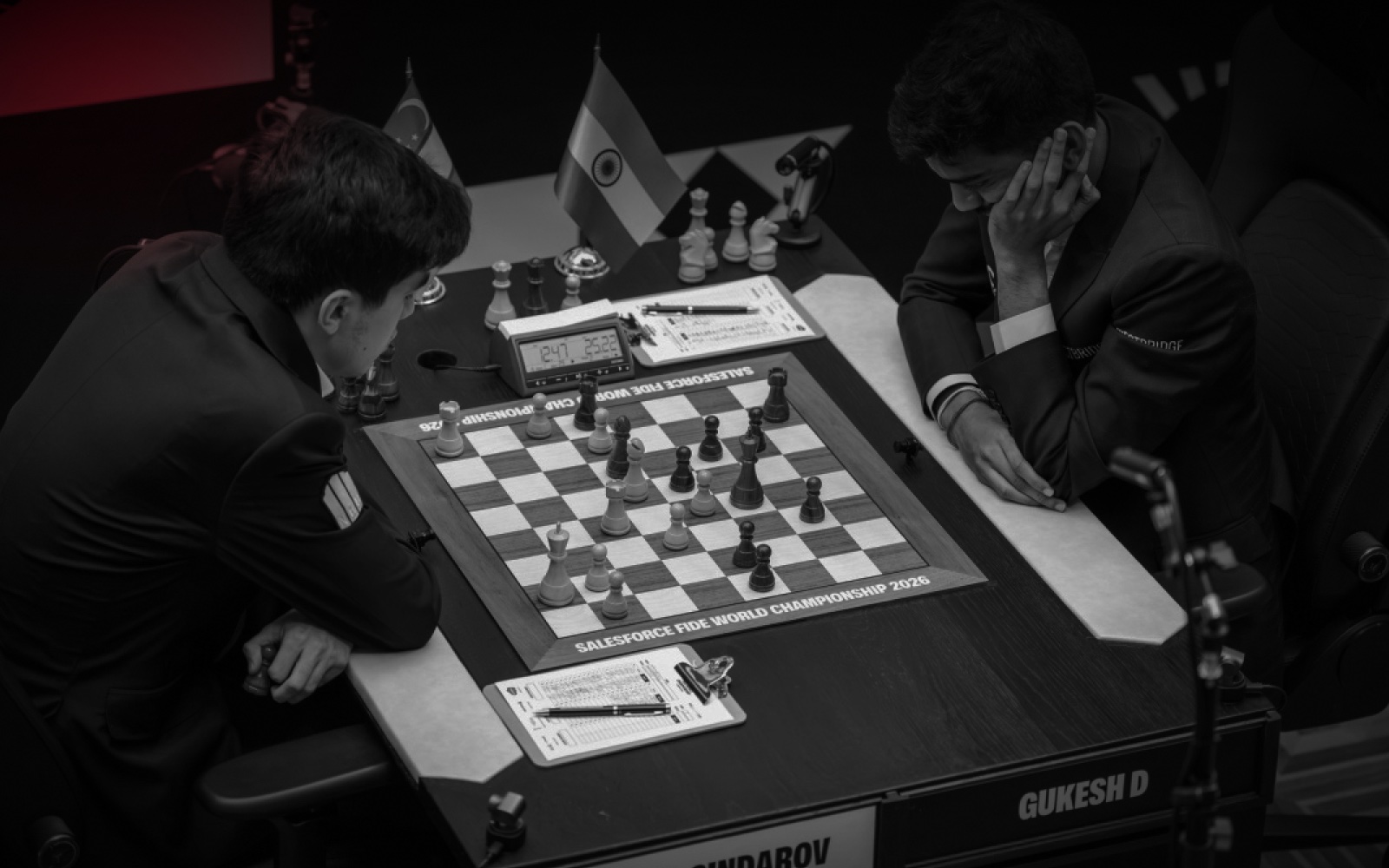
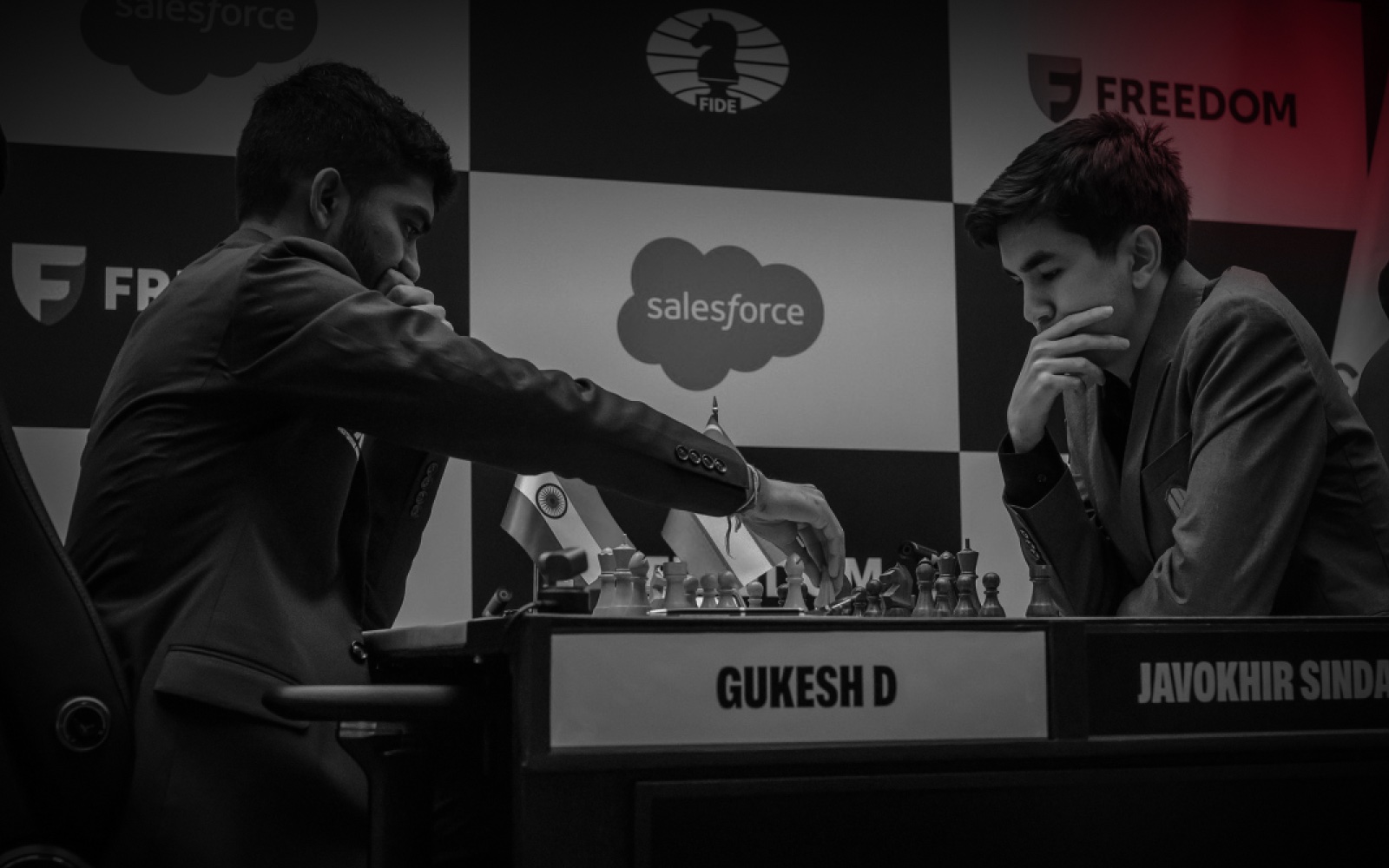
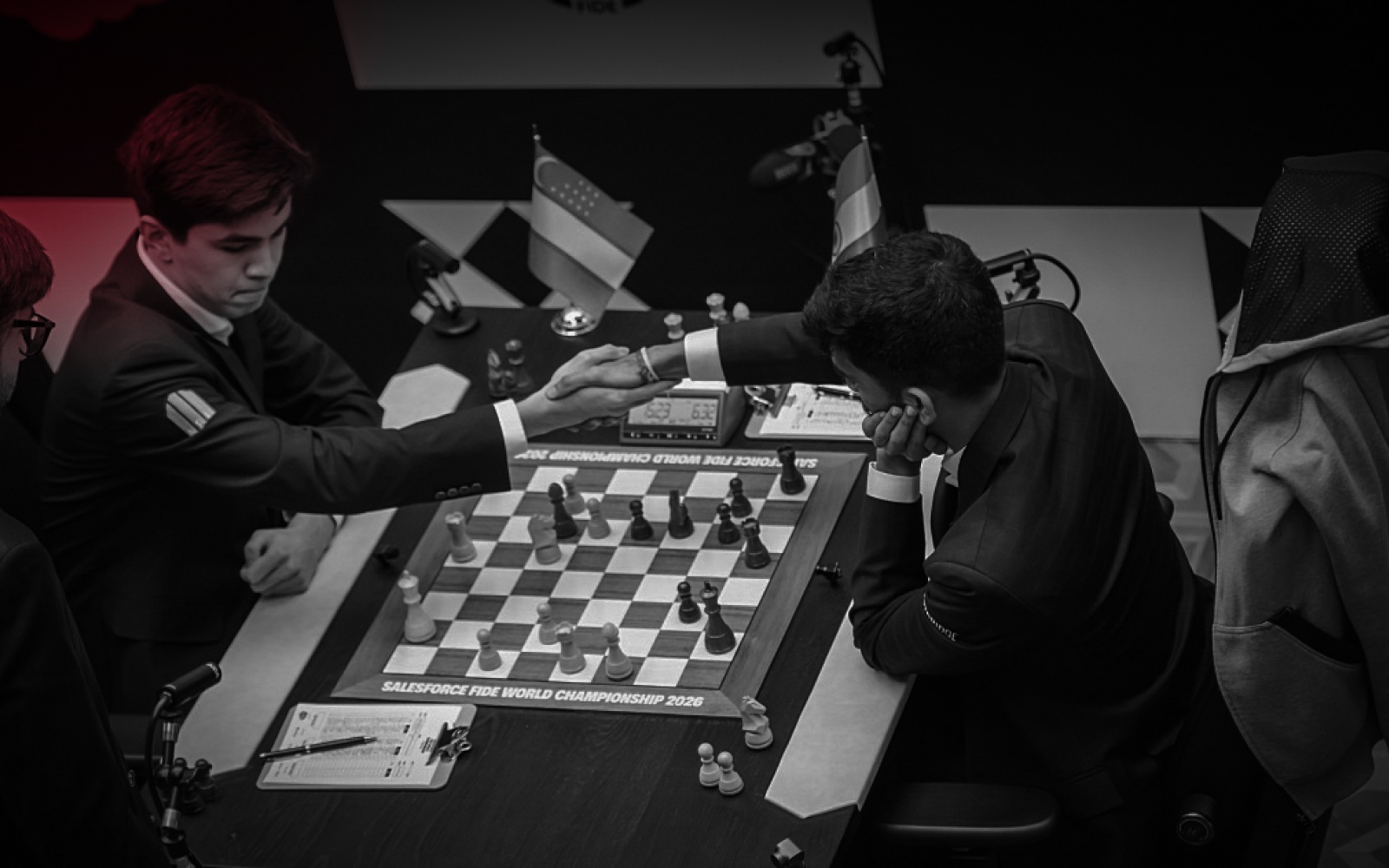
The 2026 match decides the next line of the table. Gukesh defends against Sindarov at the Fondation Martin Bodmer in Cologny, Geneva, with game 1 on 24 November, a maximum of 14 classical games and a USD 2.5 million prize fund. The first player to 7.5 points wins; at 7-7 the title goes to rapid and blitz tiebreaks on 12 December. Both players will be 20 when the match begins, which FIDE calls the youngest World Championship contest in history (FIDE).
Sindarov won the 2025 FIDE World Cup and then the 2026 Candidates in Cyprus unbeaten, with 10 points from 14 and six wins, 1.5 points clear of Anish Giri in second (Chess.com). If he wins, he becomes the 19th world champion and the first from Uzbekistan in the undisputed line; the only Uzbek name in this guide so far is Kasimdzhanov, FIDE's champion of 2004. Our profile of Javokhir Sindarov covers his rise, the live match hub has every result and the schedule in Dubai time, and the prize money guide shows how the fund is split.
FERZ, a social and chess club in Dubai for lovers of chess and the arts, has hosted two names from these pages: Alexandra Kosteniuk, the 12th women's world champion, and Ian Nepomniachtchi, who played for the title in 2021 and 2023. On 12 December, the day of any tiebreak in Geneva, Giri headlines our Premier Chess Night at the Sajan Residence in Emirates Hills.
A checklist for following the world chess champions in 2026
- Keep the table above at hand: a Sindarov win adds a 19th name, a Gukesh win adds a first defence to the 18th.
- Open the live hub on game days for the score, the next game and each result.
- Count to 7.5: the first player to reach it takes the title, so the match can end before game 14.
- Mark 12 December, the only day set aside for rapid and blitz tiebreaks.
- Read the prize money guide to see how the USD 2.5 million is divided.
- Compare the two players through our profiles of Gukesh and Sindarov.
- Watch for the women's match next, Ju Wenjun against Vaishali, once FIDE names the dates and the city.
Cover: the eighteen undisputed world champions in order, from Steinitz to Gukesh. Photos: public domain archive portraits (Steinitz, Lasker, Capablanca, Alekhine, Euwe), Anefo / Nationaal Archief, CC0 and CC BY-SA 3.0 nl (Botvinnik, Smyslov, Tal, Petrosian, Spassky, Fischer, Karpov, Kasparov), Ygrek, CC BY 2.5 (Kramnik), Georgios Souleidis, CC BY 2.0 (Anand), Andreas Kontokanis, CC BY-SA 2.0 (Carlsen), Frans Peeters, CC BY-SA 2.0 (Ding), Eldar Azimov, CC BY-SA 4.0 (Gukesh); edited by FERZ.
Sources
- Chess champions, FIDE World Chess Championship 2023, FIDE
- Salesforce FIDE World Championship Match 2026: Schedule, format, and prize fund confirmed, FIDE
- Statement by FIDE President on Magnus Carlsen's announcement, FIDE
- FIDE Knockout Matches, New Delhi and Tehran 2000, FIDE
- FIDE World Championship, Moscow 2001-02, FIDE
- Crowning a Champion: Ju Wenjun clinches her fifth title, FIDE
- Vaishali conquers Women's Candidates to set up world title showdown against Ju Wenjun, FIDE
- FIDE Women's World Championship Cycle 2025-2026, FIDE
- World Chess Champions, FIDE World Chess Museum
- Wilhelm Steinitz, FIDE World Chess Museum
- Emanuel Lasker, FIDE World Chess Museum
- Robert Fischer, FIDE World Chess Museum
- Anatoly Karpov, FIDE World Chess Museum
- Garry Kasparov, FIDE World Chess Museum
- Vladimir Kramnik, FIDE World Chess Museum
- Viswanathan Anand, FIDE World Chess Museum
- Magnus Carlsen, FIDE World Chess Museum
- Ding Liren, FIDE World Chess Museum
- Gukesh Dommaraju, FIDE World Chess Museum
- Knockout World Chess Championship poster, 1999, FIDE World Chess Museum
- Wilhelm (William) Steinitz, World Chess Hall of Fame
- Anatoly Karpov, World Chess Hall of Fame
- Nona Gaprindashvili, World Chess Hall of Fame
- World Chess Championship, Chess.com
- Ding Liren Wins 2023 FIDE World Championship In Rapid Tiebreaks, Chess.com
- Ju Wenjun Wins 5th Women's World Chess Championship, Chess.com
- Sindarov, Vaishali Triumph: 7 FIDE Candidates Conclusions, Chess.com
- Lasker-Chigorin: A legendary clash of two bishops vs two knights, ChessBase
- 20 years ago: Anand and Karpov fight for the World Championship, ChessBase
- FIDE WCC R7-7: Rustam Kasimdzhanov is World Champion, ChessBase
- San Luis R14: Topalov wins, Anand second, ChessBase
- Elista tiebreak: Vladimir Kramnik wins unified title, ChessBase
- Mexico 2007: Vishy Anand is World Champion, ChessBase